How to translate craftsmanship into a digital experience
A beautiful photograph shows an object, but does not always explain the expertise behind it. Translating craftsmanship into a digital experience means connecting gestures, decisions and use. Discover how to prepare your content and choose media that make your approach understandable without overstating what a screen can convey.
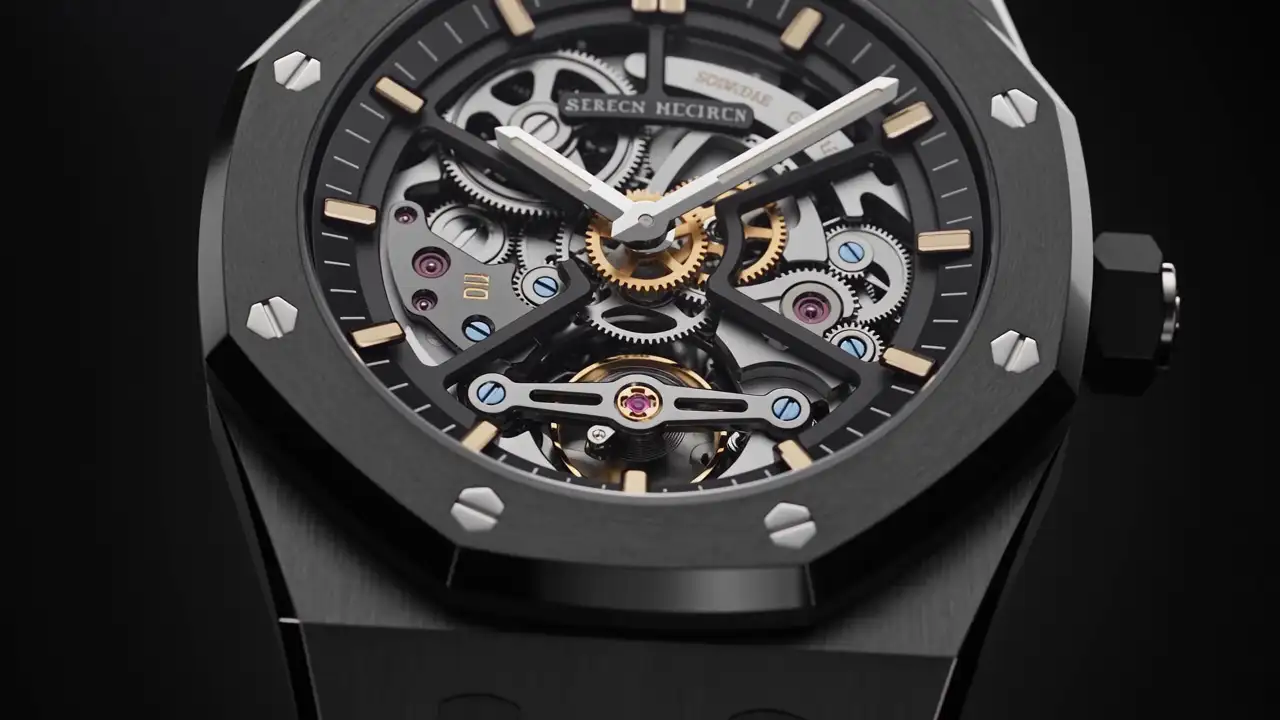
A visitor sees the finished piece but does not know what distinguishes your work. Material choices, adjustments and gestures remain outside the frame. A craft website needs to make that intelligence visible without pretending to replace an encounter with the object.
A meaningful digital experience connects what people observe with what it means. It reveals details, explains decisions and introduces the people responsible. Quality depends less on the number of videos or the intensity of animation than on the precision of the viewpoint offered.
Choose the expertise you want people to understand
“Made with passion” does not describe a skill. Before preparing images, identify the decisions and operations that genuinely characterise your practice.
Select subjects you can explain accurately: choosing a material, assembly, adapting a piece to a place, developing a finish or checking completed work. Their interest comes from your actual method.
Ask what a client does not immediately perceive in the final result. Useful content often begins there.
In a fictional example, a furniture workshop might show how it chooses the orientation of wood within a composition, then explain what this changes in the appearance of the piece. It does not need to present every manufacturing operation.
The website should select an understandable angle. Trying to explain an entire craft on one page can make the work less accessible, even with good intentions.
Connect the gesture to a decision
A hand at work attracts attention, but the image alone may not explain the skill. Visitors need to understand what is being observed, chosen or adjusted.
Add a precise caption. It can name the operation and describe its role in the project without overwhelming the image.
Avoid automatically assigning exceptional quality to every action. A gesture may be ordinary within the trade and still be useful to show. Its editorial value comes from what it helps people understand.
When several methods are possible, explain why one was chosen in this context. Readers then encounter reasoning, rather than simply a succession of images.
The explanation should respect what you wish to share. Some details may belong in a conversation or may be irrelevant to the wider audience.
Show materials without promising impossible sensations
Photography, lighting and movement can help people observe grain, a surface or a reflection. They do not allow visitors to touch the object or fully assess its behaviour.
Present complementary views: overall form, detail and relationship to use. An isolated close-up may be beautiful but difficult to place.
Explain variations where these belong to the material or the work. Visitors should distinguish a deliberate characteristic from a lighting effect or photographic choice.
Avoid treatments that make the material misleading. Dramatic presentation loses value when it creates an expectation the physical object cannot support.
For a fictional ceramic piece, a complete view, surface detail and use situation could explain different aspects without claiming to reproduce every sensation.
Prepare a shoot around questions
A useful shoot does more than record whatever happens in a workshop. It answers a set of questions selected before filming or photography begins.
Who contributes? Which choice is being made? What should viewers observe? When does the piece change? Which result helps explain the stage?
Prepare a short list of scenes and their associated information. This helps produce media that can be connected to accurate wording.
| Question | Possible medium | Associated explanation |
|---|---|---|
| Who carries the expertise? | Portrait in the actual setting | The person’s responsibility |
| Which choice is being made? | Comparison or preparation | The selected criterion |
| What does the gesture do? | Short, understandable sequence | Purpose of the operation |
| Which detail matters? | Close photograph | Its role in the piece |
| How is the work used? | Contextual view | Connection to the client’s need |
Adapt these possibilities to the trade. Do not recreate an inaccurate gesture simply because it would look better in a photograph.
Build a narrative from the result or the question
Chronological order is optional. You can show the completed piece, raise a question about a detail and return to the decision and gesture that explain it.
This gives readers a reason to watch the process. It connects making with an understandable result.
Another structure begins with a need: the dimensions of a room, intended use or an idea of form. The stages then show how the work addresses that situation.
In either case, plan a visual conclusion. Visitors should return to the piece or project with a better-informed view.
Avoid finishing only on an atmospheric workshop image without relating the story to the offer. People need to understand how the approach could enter a real collaboration.
Choose media according to what they explain
A photograph suits a composition, detail or comparison that deserves observation at the visitor’s own pace. Video may explain movement or transformation more clearly.
Animation can connect stages or reveal an arrangement that is hard to see in one shot. Identify it as a representation when it does not directly show actual work.
Scrolling can accompany a progression, but should not impose a long sequence before essential information becomes available. Someone primarily looking for a service should still understand the experience.
A more elaborate medium is not automatically better. A short set of captioned photographs can explain more than an atmospheric video without context.
Define what each item contributes. If two elements communicate exactly the same thing, reconsider whether both need to be present.
Introduce people without inventing a legend
Present those responsible for the work and their roles. Their backgrounds can be relevant when they explain a practice, specialism or way of collaborating.
Do not automatically attribute generations of tradition to a recently established workshop. A contemporary approach can have value without adopting the story of an old house.
A person’s own words may provide insight if they are authentic and approved. Do not transform a practical explanation into an emphatic quotation that does not sound like them.
Portraits should reflect the reality of the work. A workshop setting may make sense, but it should not become a manufactured stage suggesting an activity that does not exist.
Trust comes from correspondence between the people, gestures and information presented.
Explain bespoke work as a concrete collaboration
If you genuinely offer adaptations or individual pieces, explain what can be discussed and how decisions are made.
Visitors may need to know what to prepare: project context, available dimensions, intended uses or references expressing an intention. Such guidance helps an initial conversation without making the page a complete questionnaire.
Distinguish ordinary possibilities from requests requiring investigation. Do not imply that every idea can be realised without constraints.
In a fictional example, a workshop might explain that adapting furniture to a room requires understanding its placement and use. This makes bespoke work tangible rather than reducing it to an adjective.
The craftsmanship story and service page should complement each other. One shows how you think and work; the other explains how to begin.
Preserve the reality of projects and images
Distinguish completed work, research, prototypes and illustrations. Each may have a place, but they represent different stages of development.
Identify an image that expresses an intention. It can help explain a form without being presented as a manufactured piece.
Shown details should correspond to the project described. Combining work can make sense on a general methods page, but avoid implying a production sequence that never happened.
Prepare contextual information alongside the media. A useful caption can preserve accuracy when images are reused elsewhere on the site.
A premium aesthetic does not justify removing distinctions that help people understand what the business has actually done.
Check what visitors understood
Show the page to someone outside the trade. Ask what they learned about the work and what remains unclear.
If they remember only “it is handmade”, identify the decisions or details that still need explanation. The aim is to move beyond a general impression.
Check whether they can identify the service and the proposed continuation too. Narrative should not leave the offer outside the frame.
This review may lead to an additional caption, another sequence or a different order. Producing more media is not always necessary.
Plan how the story will stay accurate
When a process or material changes, review the associated explanations as well as the images. A familiar photograph can continue to suggest a practice that the workshop no longer uses.
Keep the project name, stage and caption with each selected item. Future contributors should understand the context instead of treating the image as interchangeable decoration.
The content collection can grow gradually around documented work. It does not require a complete new production every time the website receives an update.
Make the value of the work understandable
Craftsmanship becomes legible online when imagery, explanations and people support one another. The website does not replace the object; it prepares more attentive observation and a better-informed conversation.
To explore this presentation with MV Design, select a representative piece or project and gather stages you can explain precisely. These provide a basis for a digital story that gives appropriate space to your method, materials and client relationship.