Villa builders: how should you present your projects and working process?
A completed villa shows an outcome, but not always the work required to achieve it. A builder’s website should connect photography, responsibilities and project management. Discover how to present documented work and prepare a useful first enquiry without allowing attractive images to stand in for an accurate service description.
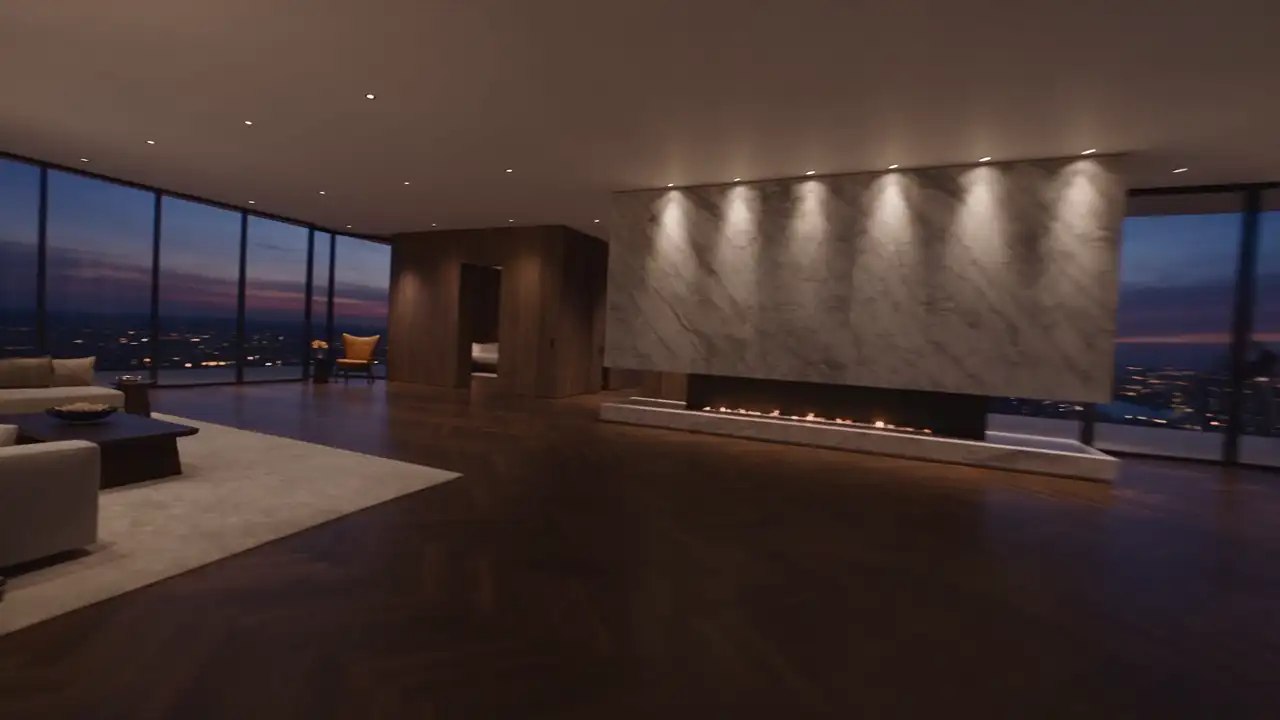
Photographs of a completed villa establish a first impression, but prospective clients also want to understand how the project will be managed. They wonder who is involved, how decisions are made and what your company actually takes responsibility for. Without these answers, a gallery can generate interest while leaving the essentials unexplained.
A villa builder’s website should connect visible results with the process behind them. This does not mean publishing an entire construction file. The objective is understandable evidence, a precise scope and a clear route towards an initial discussion of the client’s situation and requirements.
Start with your actual responsibilities
The word “builder” can suggest different arrangements to different people. Some visitors imagine one contact for the whole development; others need a company for a defined part of the works. Your website should explain the role instead of expecting readers to infer it from photography.
Describe the services genuinely offered and the stages at which you participate. Explain the relationship with other professionals according to your organisation. If an independent architect designed a villa, including it in your portfolio should not suggest that your company authored the architectural design as well.
State which types of project fit your activity: new construction, extensions or work on existing buildings, only when they belong to the actual offer. An overly broad list may attract requests your team cannot handle appropriately or that require a very different service arrangement.
Before writing, compare the descriptions used by sales and operational staff. If they do not describe the same offer, resolve that first. The website should present something your people can subsequently confirm, rather than a broader promise intended simply to increase the number of enquiries.
Select projects that demonstrate different capabilities
A succession of similar villas does not necessarily explain your expertise. Examine each project for what it demonstrates: adaptation to a site, coordination of contributors, execution of details, organisation under particular conditions or consistency between several parts of the works.
Choose documented projects with photographs and information that can be checked. A less spectacular commission may be valuable if it explains a particular challenge clearly. Conversely, an impressive image with little context supplies limited evidence of what your company actually contributed to the finished property.
Make the organisation understandable. Criteria such as project type or areas genuinely served may help visitors explore. Avoid vague categories that imply every house follows an identical model when your offer instead concerns individually defined projects and different client requirements.
Consider what the selection suggests. If all the first photographs show exceptionally large properties, prospects may assume you reject other project sizes. That impression should match your real direction. Otherwise, correct it through a more representative selection and clear explanations of your normal scope.
Create factual and readable project pages
Each page can open with a short introduction: project type, context, company role and current status. Additional facts should help explain the work rather than fill a table. Floor area or dates are useful only when accurate and presented with appropriate context.
Distinguish completed photography, construction images and design representations. A visualisation can illustrate an intention, but it should not be used as evidence of completion. A visible label prevents confusion without burdening the page or requiring readers to understand specialist production terminology.
Then present a challenge and the response in accessible language. In a fictional example, access to a plot could require a particular delivery arrangement. The page would explain the organisational issue and the measures actually used, without turning the story into a general promise that unexpected events never occur.
Include useful credits and confirm publication permissions with those concerned. Never substitute an estimate for missing information while presenting it as fact. If a budget or exact location cannot be shared, a more restrained presentation is preferable to invented details that appear authoritative.
Connect construction stages to the finished result
Readers understand your contribution better when they can recognise the same place at different stages. A structural photograph, a detail during execution and a final view can reveal continuity. Images should belong to the same project, be identified and each communicate something useful.
Prepare a selective timeline. There is no need to show every week of construction. Choose moments that explain progression or a particular area of care. Commentary should identify what is visible and why it matters to the following work, rather than simply naming the photograph.
Scroll animation can make that development easier to follow, particularly when viewpoints remain coherent. It should not arbitrarily combine different houses to imply one real construction project. If an illustrative reconstruction is used, identify it clearly and keep it distinct from documented completed work.
Retain an option that works without movement. A few captioned images and an explanation may communicate the same essential information. The visual approach should enrich understanding without requiring a prospective client to finish a long sequence before reaching the description of your company’s role.
Explain the process through client decisions
A method becomes concrete when each stage answers a question. What information should be gathered first? How is scope established? When must selections be confirmed? How are communications organised during the works? Answer according to the way your company actually operates.
Avoid a timeline consisting only of labels such as “study”, “design” and “handover”. Briefly describe what is examined, what the client receives and which decision is needed. Visitors can then distinguish what depends on your team, their own choices and the contributions of other participants.
Explain your handling of an evolving request without guaranteeing that changes cannot affect the project. You can describe how a modification is discussed and its consequences considered. That is more credible than suggesting unlimited flexibility regardless of the stage, scope or resources involved.
A diagram can help show communication, but it should remain simple. The commercial page does not need to reproduce the company’s full internal organisation. Show who acts as the client’s contact and how important information is shared, reviewed and confirmed throughout the appointment.
Make evidence checkable without accumulating claims
A process page can show examples of documents or review points where publication is appropriate. Present these as illustrations of your work and remove sensitive details. Do not imply that one displayed document, by itself, provides a universal guarantee for every future project outcome.
When mentioning a qualification, insurance or distinction, use accurate and checked wording. Clarify the scope of what is shown. A website is not the place to improvise legal explanations: the relevant information should be reviewed by competent people before it is used in the public presentation.
Testimonials should be authentic, authorised and connected with an understandable context. A concrete comment about communication may help more than anonymous strings of adjectives. Do not invent a quotation to balance the layout, fill a section or make the company appear more established.
Give space to the real people and organisation too. Portraits, explained responsibilities and a genuine working scene can make the business identifiable. The purpose is to show who a prospect will speak with, not manufacture an impression of scale or structure that does not reflect reality.
Prepare questions about cost, timing and feasibility
Visitors naturally seek guidance, but a website cannot establish a villa’s feasibility from a few details. Explain what an initial assessment requires: site situation, project stage, available documents and the service sought, adapted to your own review process and actual scope.
For cost, explain the factors affecting the work rather than publishing a universal figure without context. Site characteristics, design decisions and included services can change the assessment. Do not attach a number to a completed project unless it can be documented and its meaning clearly explained.
Distinguish project preparation time, your availability and execution stages. A duration from a previous development is not a promise for the next one. If published, explain what it covers and the conditions to which it relates, rather than allowing it to stand as an unqualified benchmark.
A practical FAQ can address recurring questions without giving individual technical advice. Can someone contact you after selecting a plot? Which documents help? Who joins the first discussion? Keep the answers aligned with the enquiries your company genuinely accepts and the steps its team can support.
Make the first contact usable and follow-up clear
The form can ask for project type, location, current stage and a free description. Do not require a complete dossier simply to enable an initial conversation. Identify useful documents and explain when they can be shared through a suitable channel as the discussion develops.
A prospect living elsewhere may need to understand how communication will work. Explain the arrangements you genuinely offer without letting the site imply permanent availability. A scheduling tool or an additional contact channel is useful only when someone is responsible for monitoring it.
Check the post-submission message, actual delivery and ownership of the response. The journey does not end at the form. A well-explained request forgotten in an inbox creates a break that excellent photographs cannot compensate for. Agree who handles absence and internal routing as well as ordinary replies.
Before extending the website, build one complete page for a well-documented project: outcome, responsibilities, stages and contact. Have an outside reader explain your involvement back to you. If they attribute additional services or guarantees to the company, adjust the wording and imagery before using the page as a template.
MV Design can help organise these elements into a website that presents your business accurately and gives future clients a concrete basis for discussion. Bringing one representative villa and its available documentation is a useful starting point for that work.