Private chefs: how can your website attract a premium clientele?
Choosing a private chef means choosing both a cuisine and a person who will enter a personal space or an important event. Your website should clarify both decisions. Discover the content that makes your proposition credible and prepares a useful conversation without reducing premium positioning to photographs of conspicuous surroundings.
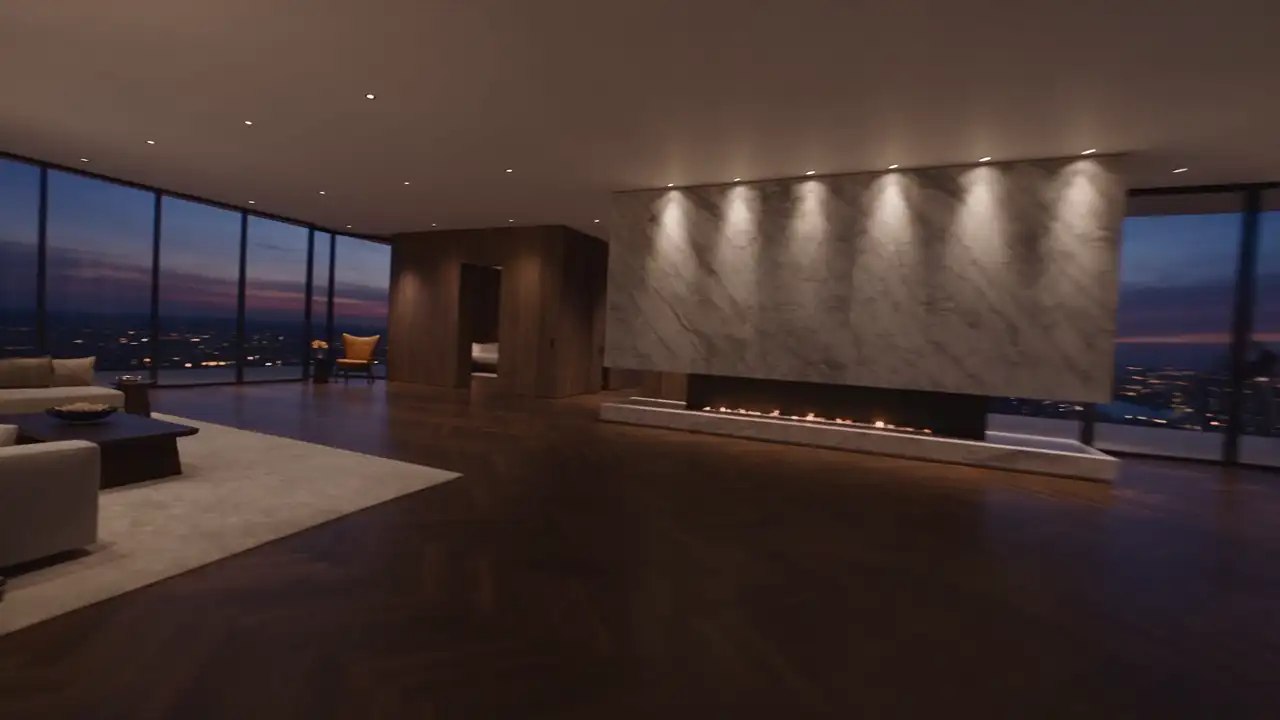
Someone looking for a private chef is choosing more than plated food. They may be entrusting a meal, an important occasion and part of their personal space to someone they do not yet know. Your website should make the cooking appealing while explaining how you work and what the collaboration involves.
Attracting a premium clientele therefore does not mean multiplying images of villas, cars or prestigious surroundings. It means presenting an identifiable culinary proposition, precise organisation and genuine attention to expectations. Together, those elements can prepare enquiries better suited to the business you actually operate and the work you wish to develop.
Define the work you want to be approached for
Start with occasions you genuinely handle. A single dinner, several meals during a stay, a business event and an ongoing arrangement require different conversations. Your website should make the scope recognisable without suggesting that every request can automatically be fulfilled, regardless of its setting or the resources it would require.
Describe each service through its purpose rather than an abstract name. People should understand whom it serves, what it allows them to arrange and what remains to be discussed. An evocative label can work as a heading, but needs a concrete explanation before it becomes a meaningful proposition for a prospective client.
Decide what deserves emphasis too. If your practice mainly involves intimate dinners, a gallery filled with large events may invite enquiries unrelated to that work. Your selection should support the direction you want without inventing interventions, experiences or capacity that you have not confirmed as part of your actual activity.
Show your cooking before discussing prestige
Present a recognisable culinary direction. It might emerge through the way you compose a meal, handle ingredients or make preparation choices. Explanations should illuminate genuinely representative dishes, rather than creating an impression of sophistication through a collection of words that a prospective client finds difficult to understand or use.
Select photographs to demonstrate useful differences. A wider view reveals composition, a detail shows texture and a gesture explains work. Several almost identical photographs of the same plating do not necessarily help someone understand either the variety of your offer or the coherence connecting the meals you prepare.
Sample menus can suggest a meal without fixing every part of the service. Clearly identify them as illustrations where decisions will be adapted after discussion. Do not imply permanent availability for every dish when your organisation, ingredients or working conditions require you to confirm what can actually be offered.
Avoid suggesting that you reproduce every culinary style indiscriminately. Explaining your sensibility can help clients recognise a match or realise they want something else. An effective website prepares that alignment; it should not seek an enquiry at any cost by making the proposition so broad that its character disappears.
Introduce the person who will enter the setting
Your portrait has a particular role: it begins a relationship of trust with the person who will cook. Use an actual photograph and writing consistent with your way of working. A straightforward professional environment may be more appropriate than a spectacular backdrop that says little about your practice or approach.
Select verifiable background details relevant to today’s services. An experience can explain a method or culinary interest, but should not become a list of names implying an artificial relationship with establishments or people who have not endorsed your business. Readers should understand the significance of what you choose to mention.
If other professionals may participate, explain their roles within the offer actually provided. Clients should understand who prepares food, serves and coordinates where those functions exist. Do not use the language of a large permanent team to create an organisational impression that does not correspond to how your business operates.
The tone can remain personal while being professional. Precise sentences about preparation and attention to the meal create more depth than a biography claiming every desirable quality. Ask someone familiar with your work to read it, checking that the portrait is recognisable rather than merely impressive to an unfamiliar audience.
Make the preparation before the meal visible
Clients may not know what information you need. Explain the first conversation: occasion, location, guest numbers, period and culinary wishes. This does not mean requiring a technical dossier immediately. It shows that a relevant proposal depends on concrete details and helps the person understand why those details matter to the exchange.
Then describe how choices become clearer through your actual method. Is a menu discussed? What information about the setting must be checked? When are arrangements summarised? This makes collaboration understandable without promising a standard process where each situation actually needs a different approach and a different set of preparations.
Consider a fictional family arranging dinner in a rented house. The request cannot be evaluated from guest numbers alone. Available equipment, access and serving arrangements may influence the proposal. Your website can identify this verification stage without expecting the client to resolve every operational question independently before contacting you.
For dietary preferences and particular requirements, provide a clear conversation and confirmation of possibilities. Avoid promising automatic adaptation to every situation. Published information should reflect what you can genuinely examine and confirm, involving appropriate competent people where a request goes beyond the ordinary task of choosing a suitable menu.
Clarify what the intervention includes
Clients can interpret meal preparation differently. Some imagine that every element is included; others do not know what can be requested. Describe the tasks actually offered and those requiring an agreement. A photograph of a fully prepared table should not be left to imply the entire scope on its own.
| Point to clarify | Useful question for the client |
|---|---|
| Cooking | How is the menu proposition prepared? |
| Setting | What information must be checked before the visit? |
| Service | Which roles are included in the proposed arrangement? |
| Equipment | What exists on site or needs to be organised? |
| Progression | Which stages will be confirmed before the meal? |
Be equally clear about geography. State your real working area and how an enquiry elsewhere can be considered, if you are willing to examine it. Do not imply a permanent presence in several destinations simply because those places fit the image of the clientele you would like to attract.
Explain factors influencing a proposal where useful: format, preparation, travel, required resources or service organisation, according to your activity. These references clarify scope without inventing a price. If publishing an amount, it should correspond to a real offer whose conditions are clearly described and remain coherent with what is actually available.
Build a portfolio that respects the context of its images
A private chef’s portfolio can show dishes, preparation and tables without unnecessarily exposing clients’ lives. Choose photographs and information you are authorised to publish. A successful scene does not require a precise private address or recognisable people to communicate your work and the attention you brought to the meal.
Distinguish completed services from compositions created to illustrate an idea. A demonstration shoot can be useful, provided it is not described as a genuine client event. That transparency lets you show creativity without manufacturing references or suggesting relationships that do not exist between your business and the setting shown.
Explain what each selection demonstrates: menu intention, an adapted presentation or the coherence of a meal. A short caption may be sufficient. The portfolio becomes more informative when it connects imagery to your approach, instead of accumulating surroundings used mainly to signal social position without explaining the culinary work.
Prepare a form that opens a conversation
Request what is needed for an initial assessment, then leave space for the project’s story. A possible date, location, guest count and occasion can provide a basis, depending on your organisation. Avoid numerous questions whose answers you will only use after a first conversation or after establishing that the request is appropriate.
Let clients indicate what remains uncertain. They may know the period without a specific day, or be considering different formats. The form should not force invented precision simply to make contact. Distinguish essential details from matters that can be clarified together once you understand the purpose of the occasion.
The message following submission should explain what has happened. A transmitted enquiry is not a booked service. Describe the next stage faithfully, without announcing a response deadline or availability that you cannot reliably maintain in the relevant circumstances. Reassurance comes from understanding the process, rather than from an unsupported promise.
Evaluate how well enquiries fit your activity
Do not judge the website solely by contact volume. Consider whether occasions, culinary expectations and locations match your business. Recurring questions may reveal a poorly explained service or a photograph creating an expectation different from the work you actually wish to provide and the conditions under which you operate.
Adjust content based on those observations. Clarifying a format or showing another selection of dishes can express your positioning more accurately. The website cannot guarantee a particular clientele, but it can make the proposition understandable and support a conversation grounded in realistic expectations about the meal and the collaboration.
To present your activity with MV Design, gather confirmed services, representative images and the information needed for your first discussion. We can create a website that gives appropriate space to your cooking, your personality and the organisation behind the meals you prepare, connecting these elements to a clear route for enquiries.