Fine dining restaurants: how can you express your culinary identity online?
A fine dining website should help guests understand the cooking before trying to impress them. Images, the chef’s words and practical details contribute to the same experience. Discover how to present a distinctive restaurant precisely, without overplaying prestige or making the journey towards a table unnecessarily complicated.
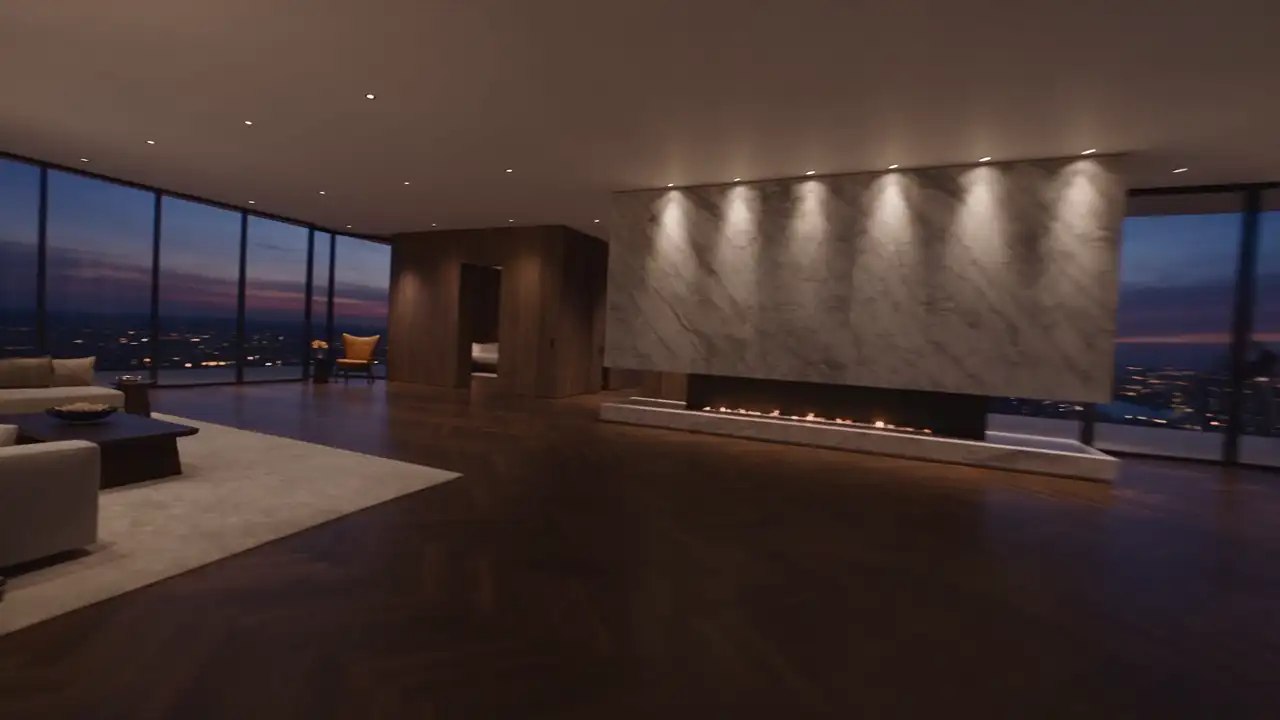
A fine dining restaurant is more than an attractive dish or a striking room. Its character comes from the relationship between cooking, hospitality and the rhythm of a meal. The website should make that relationship tangible before a visit while providing the information people need to choose and book.
The useful question is therefore not simply “which images will impress?” but “what should someone who does not know us understand?” Answering precisely lets you create an elegant presence that expresses your work without borrowing the conventions of a restaurant with a different identity or approach.
Start with a culinary idea you can explain
Ask the chef about concrete choices. Why do particular ingredients recur? What role do sauces, cooking methods, contrasts or vegetables play? What connects dishes beyond their appearance? These answers provide more useful editorial material than a succession of adjectives such as refined, exceptional or creative that reveal very little on their own.
Choose one main idea, then identify evidence in the actual cooking. Attention to textures might be explained through a dish and a preparation gesture. A menu linked to harvests needs current examples and a way to maintain the content. Avoid asserting an approach the team would not recognise in everyday work.
That direction should remain understandable to guests. Professional vocabulary can help when it explains a sensation or intention, but it should not become a test of knowledge. Describe what a choice contributes to the meal rather than accumulating technical terms disconnected from the experience someone is considering.
Build the first impression around the meal
The opening screen should identify the restaurant and offer a way into its character. A dish, a dining room view or a gesture may be appropriate depending on what distinguishes you. Select the subject for what it communicates, rather than because the image happens to be spectacular or readily available.
Pair it with a precise sentence. A statement of intent can guide the reading, provided it does not promise an experience the following sections never show. The name, relevant location and a clear route to booking should remain easy to find during this first encounter with the restaurant.
Animation might reveal a preparation or accompany a transition from kitchen to table. It becomes less useful if it repeatedly delays access to the menu. Provide a straightforward route for someone already convinced, returning only to check a service detail or arrange their next meal at your establishment.
Photograph real cooking with an editorial purpose
Plan the shoot around what you need to explain. A wider photograph shows composition; a detail can reveal texture; a gesture makes work visible. Not every dish requires all three. Give each image a role that contributes genuinely new information for the prospective diner instead of simply adding visual volume.
| Subject | What it can communicate | What to verify |
|---|---|---|
| Finished dish | Composition, colour and tableware | Correspondence with the cooking presented |
| Kitchen gesture | Preparation and attention to detail | A real action understandable without excessive explanation |
| Dining room | Light, proportions and atmosphere | A faithful representation of normal hospitality |
| Team | People and working approach | Accurate roles and appropriate permissions |
Avoid combining heavily edited images, phone photographs and material from different periods without a clear intention. Coherence comes partly from light, framing and colour treatment. It does not require every plate to look identical or the variety of your cooking to be removed from the presentation.
Consider mobile cropping when selecting images. The middle of a plate is not always the only meaningful detail: a condiment, a hand or empty space may contribute to the composition. Review photographs in their final placements so their defining information is not lost through an automatic crop.
Present the menu as an understandable proposition
Visitors want to know what kind of meal to expect. Describe the formats genuinely available, their progression where defined and the information useful to a decision. If the menu changes, make clear how the displayed selection should be understood: a current offer, a representative example or an explanation of the approach.
Do not allow an old menu to suggest permanent availability. Assign responsibility for updates and provide a place that is straightforward to edit. Sophisticated presentation loses its value if the team cannot correct an important detail promptly before the next service or as the restaurant’s actual offer changes.
Dish names can preserve the chef’s voice while staying readable. An evocative title can be supported by a few concrete indications without recounting every element before the tasting. The objective is to help people choose a meal, neither exhausting the discovery nor leaving the guest facing complete uncertainty.
For dietary preferences and particular requests, explain which contact to use and what the team needs to verify. Do not promise universal adaptation when it is unavailable. Have relevant information approved by those responsible at the restaurant, according to actual possibilities and the wording applicable to the business.
Give the chef a voice without overlooking the team
A chef’s introduction is useful when it explains today’s cooking. Select elements of their background that are relevant and verifiable. A lengthy chronology is not always necessary: a formative choice, learning experience or relationship with ingredients may illuminate the menu more effectively than a list of previous positions.
Distinguish a recorded quotation from a sentence written for the page. If publishing words in the first person, have their author review and approve them. Authenticity does not come from attributing expressions the chef would not use or convictions they have never confirmed to whoever prepares the food.
Show front-of-house colleagues and those contributing to hospitality where this matches your organisation. Their roles help explain the continuity of the meal. Keep the presentation concise if appropriate: accurate names, clear responsibilities and observed gestures are more meaningful than a gallery of portraits offered without any context.
Convey the setting without turning the website into scenery
The dining room shapes how people imagine an occasion. An intimate table, an open counter and a bright large space create different expectations. Images should make that reality understandable, even when the restaurant offers several arrangements or the atmosphere changes between lunch, dinner and other actual services.
Consider a fictional restaurant combining an open kitchen with a calm dining room. Two successive views and a brief explanation could show that relationship more accurately than a noisy video suggesting constant activity. The presentation should clarify the experience, rather than distort its character to create a stronger immediate effect.
Sound deserves similar restraint. Recorded ambience may enrich content someone deliberately chooses to play, but it should not be imposed as a condition for accessing information. Ask whether it adds a specific understanding. A quiet interface can be entirely appropriate for a thoughtful presentation of a restaurant and its cooking.
Connect interest to an unambiguous booking process
After discovering the cuisine, people should be able to continue without hunting for the correct button. Maintain an identifiable booking route and position practical information near the relevant stage. Opening arrangements, address and stated conditions must correspond to the actual information maintained by the restaurant team.
Distinguish a table request from a confirmation. Button text and the final message need to reflect the adopted process. If a human response remains necessary, explain that stage. A reassuring design should never imply a reservation is final while the restaurant still needs to check whether it can accept it.
Treat particular situations precisely. Private hire, a group or a specific request may require a different exchange from a regular meal. Direct people to the appropriate contact with useful information, without making every visitor complete a lengthy form designed around the most complex situations the establishment might encounter.
Organise content so it can remain accurate
Create a short list of responsibilities: who approves the menu, confirms opening details, chooses new images and reviews translations? A restaurant website evolves with a real operation. Quality therefore also depends on how easily the team can maintain what is published while continuing its ordinary work in the establishment.
Keep track of photographs and their context. An older image may still illustrate an approach, but should not be presented as a currently available dish without verification. This distinction lets you value the restaurant’s history while staying clear about the experience that someone can actually encounter today.
If several languages are needed, verify decisive information in each. Dish names may require an adapted explanation rather than a literal translation. Booking arrangements should retain the same meaning throughout, avoiding different expectations according to the language version a travelling guest happens to consult before making contact.
Check what a prospective diner actually understands
Ask someone unfamiliar with your cooking to explore a working version of the website. What meal do they imagine, what did they understand about the menu and how would they book? Their answers can reveal a misleading image, an abstract phrase or practical information that is unexpectedly difficult to find.
Follow the journey on a phone with final content. Check the return to the menu, the readability of information and the transition into booking. A presentation that looks remarkable on a large screen should still support a simple decision in the ordinary circumstances where diners look up your restaurant.
To prepare a project with MV Design, gather a current menu, representative photographs and the questions your team receives. We can shape a digital presence that expresses your cooking accurately and connects that discovery to a clear enquiry or booking journey suited to the way your restaurant works.