St Barts villa rentals: how do you create a website that does your properties justice?
A villa stay begins well before guests reach the island. Your website should explain each house, help visitors assess its fit for their group and distinguish an availability enquiry from a confirmed booking. Discover how photography, practical details and service information can present St Barts villas accurately while preparing a useful conversation.
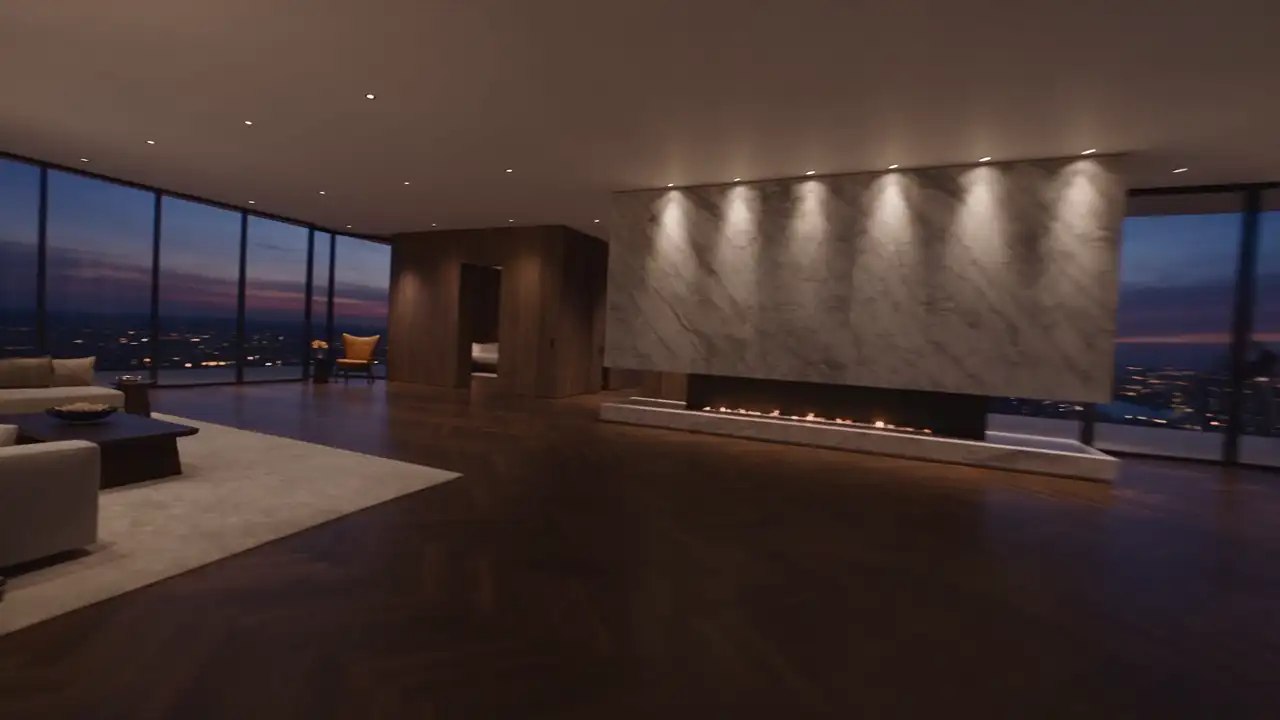
A beautiful villa may look ideal in a few photographs and still raise many questions when a stay is being arranged. Do the bedrooms suit the group? Which services are included? Are the dates confirmed? How will arrival be prepared? A rental website should provide a clear starting point before the guest speaks with your team.
In St Barts, a useful property presentation connects identity, location and the practical conditions of a stay. The aim is not to multiply visual effects to imitate an abstract idea of luxury. It is to make each villa understandable and prepare an enquiry that your team can handle accurately.
Begin with the guests each villa can accommodate
Different houses suit different expectations. A family holiday, a trip with friends and a couple’s retreat can require different arrangements. Your website should help identify appropriate configurations without assuming that bedroom count alone is enough to determine whether a property fits a particular group.
For each villa, examine the distribution of spaces, access, distance between bedrooms and shared areas. Present verified characteristics that help guests imagine the stay. A layout spread across separate buildings may appeal to some groups and be unsuitable for others, depending on their circumstances.
Avoid universal statements such as “perfect for everyone”. An accurate description of the setting is more useful than a general promise of suitability. Where a question depends on group composition, invite discussion instead of inventing an automatic answer that ignores individual needs.
The catalogue can then support search by dates, capacity or area, according to genuinely available data. Criteria should help people choose rather than create an appearance of abundance. For a small collection, clearly explained listings may serve visitors better than a large search interface with very few results.
Give each house a distinct identity
A villa should not disappear among interchangeable descriptions. Identify what shapes its experience: the relationship between rooms and terrace, position on the site, distribution, shared spaces or bedroom character. Describe qualities actually belonging to the place rather than repeating the same vocabulary across every property.
The name and title should make the villa recognisable in conversation. A reference can supplement this identification. Avoid nearly identical titles that force visitors to compare photographs alone when trying to recover the house they particularly liked during an earlier visit to the site.
A listing can open with representative photography, essential facts and access to availability or an enquiry. Do not let a long introduction hide practical information. Returning travellers with dates in mind often want to check a detail rather than begin the entire discovery process again.
A fictional example might contrast a house centred on one shared living area with a property composed of separate pavilions. Both could be appealing, but their presentation should make the difference obvious. Choice then relates to the group and its use of space rather than an abstract ranking of prestige.
Photograph the spaces that support the decision
The gallery should show more than a pool and panorama. Explain shared rooms, bedrooms, bathrooms, kitchen and outdoors according to the actual property. Visitors should be able to check the arrangement without immediately requesting additional photographs to understand essential parts of the accommodation.
Identify bedrooms when their characteristics differ. Several suites without captions may create a false sense of equivalence or suggest that two views show the same room. A consistent presentation helps the group consider how rooms might be allocated and which questions still require clarification.
A simplified plan can explain levels and relationships where available and approved. It connects photographs rather than replacing them. A highly photogenic house can still remain difficult to understand if the views do not allow visitors to reconstruct its organisation and the connection between different parts.
Distinguish property images from destination photography. A beach or local scene can enrich the context, but should not suggest it is within the grounds. Precise captions protect understanding while still allowing visitors to enjoy discovering the island and the surroundings of their possible stay.
Explain location without turning proximity into a promise
Location helps guests compare villas. Identify the area at an appropriate level of detail and explain useful aspects of the surroundings. A view, nearby beach or access arrangement should be described using confirmed information, rather than inferred from one attractive photograph or general destination language.
Check the context of travel times before publication and plan to review them. A duration should not appear universal when it depends on travel conditions. A careful, explained indication is more useful than an exact-looking number that no one is responsible for maintaining.
For general destination information, direct travellers to the official St Barts tourism website. Keep your own pages focused on arrangements relating to your properties instead of reproducing an extensive guide that may be difficult to keep accurate over time.
Arrival needs explanations specific to your offer. What information is requested, when is it needed and who prepares the welcome? Describe arrangements genuinely provided. A transfer photograph or service icon should not imply an included provision if that is not part of the actual booking.
Clarify included services and optional arrangements
Separate what belongs to the stay from what can be requested additionally. Guests need to understand the distinction before interpreting a rate or comparing villas. A series of unexplained icons can conceal important differences between the services actually available in each property.
For every service, explain its nature and the conditions relevant to a request. Do not assume that “concierge” by itself clarifies everything that will happen. Describe the support genuinely offered and the matters that need separate confirmation, so the visitor can make an informed enquiry.
If outside providers may be involved, explain your team’s role without claiming their work as your own. Information, introductions and organisation are different arrangements when your service distinguishes them. The promise on the website should match the process you can deliver after a booking is made.
Avoid listing every imaginable extra merely to suggest abundance. A coherent, documented selection helps guests more. Particular requests can be collected in conversation and answered according to the real possibilities of the property, dates and arrangements under consideration for that stay.
Distinguish availability, enquiry and confirmed booking
A visible calendar can help prepare a stay, but its meaning must be clear. Does it show maintained availability, an indication requiring confirmation or dates that can be booked directly? Visitors should not need to understand your internal systems to interpret an apparently available date.
If the function sends an availability enquiry, name it accordingly. The message after submission should confirm the request without implying that the villa has been held or booked when it has not. This distinction prevents an expectation your team would otherwise have to correct later.
Online booking needs a journey consistent with actual data and operations. Before adding it, establish who maintains availability, how changes are reflected and what happens when another channel receives an enquiry. A polished interface cannot resolve contradictory sources or an undefined process for confirming reservations.
Rates, possible fees and conditions should be shown with suitable scope and review. Do not publish an isolated price that creates an impression different from the actual cost or conditions offered. Applicable wording should be checked by competent people responsible for that part of the business.
Support languages throughout the journey
Travellers should understand the listing, form and next steps in the language offered. Translating the menu alone is insufficient. Include error messages, service information and documents needed to prepare a stay, according to the communication your team is genuinely able to support.
Operational facts must remain consistent between versions. Bedroom numbers, availability and included services cannot change with the selected language. Assign update checks to an identified person, especially where several colleagues contribute to descriptions and an edit could otherwise remain confined to one version.
Adapt wording naturally while preserving the exact offer. Room and space descriptions should be understandable without adding features that are absent. Attractive translation must not become a new commercial promise merely because a familiar marketing term has a broader meaning in another language.
The enquiry can identify the language and villa for your team. Explain actual communication options and the next step. The website can welcome an international audience while remaining honest about your organisation, response arrangements and the support available for each visitor’s conversation.
Prepare a concise enquiry your team can use
Dates, group composition, selected villa and contact information often provide enough to direct the first exchange. A free field can accommodate particular requirements. Ask only what is useful at this stage, without immediately requiring a complete traveller dossier before any conversation has taken place.
Test the journey on phones, including date entry and returning to a listing. Selections should remain understandable after changing months or correcting guest numbers. Check missing information and submission failures too, so people can recover without losing all the details they have already supplied.
Once the request arrives, someone should take ownership and use the information already provided. Guests should not have to explain their entire search again because website details were not passed on. The service experience begins in this continuity between the digital page and the human response.
To plan your project with MV Design, select one representative villa and gather its media, practical facts and enquiry-handling process. This creates a concrete basis for a website that makes guests want to stay while genuinely preparing their welcome in St Barts.